Community heroes
Levels: 1-4


SPCA’s vision is to inspire a kinder, more compassionate Aotearoa for animals and people. We do this by providing free, engaging animal welfare education resources for schools, families, and whānau.
SPCA’s educational resources support children to explore animals and animal welfare in ways that build understanding, empathy, compassion, respect, and fairness for all living things. These resources help teachers integrate animal welfare education into early learning settings and classroom programmes, while also supporting parents and whānau to continue this learning at home.
Our resources are designed by experienced, New Zealand‑trained teachers and align with Te Whāriki and the New Zealand Curriculum, supporting learning across all curriculum areas. This approach reflects the shared vision of young people as confident, creative, and active participants who contribute positively to the wellbeing of Aotearoa.
SPCA learning experiences encourage inquiry, critical thinking, and leadership, supporting children to put compassion into action through authentic learning.
Animal welfare education encourages children to think about how we share the world with other living beings and the responsibilities we have to ensure their wellbeing.
Research shows a strong connection between how people treat animals and how they treat other people. Developing empathy and compassion towards animals supports children to build empathy towards humans as well. In a world where violence and intolerance continue to exist, helping children learn kindness, respect, and responsibility from an early age is more important than ever.
Through meaningful, real life learning contexts, SPCA’s Education Programme supports the development of essential character qualities such as empathy, kindness, cooperation, fairness, and personal responsibility.
Children learn best through ongoing, meaningful experiences that are shared between home, school or education settings, and the wider whānau and community. SPCA has developed a range of free, online education resources so that every child, parent or guardian, and teacher can access learning that supports empathy, compassion, and respect for living things.
While having a companion animal can support learning, animals alone do not automatically make children more empathetic. What matters most is the guidance, modeling, and conversations children experience with trusted adults. SPCA’s Kids Portal offers practical ways for whānau to support children’s learning journeys at home.
Below are three infographics designed for whānau to support animal welfare topics that may arise at home.
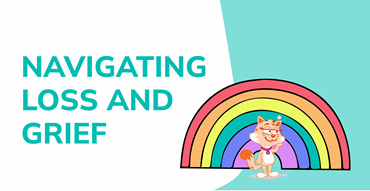
The death of an animal can be one of a child’s first experiences of loss. Talking openly, acknowledging feelings, and remembering special moments can help children understand grief and feel supported through what can be a very emotional time.
Loss and Grief
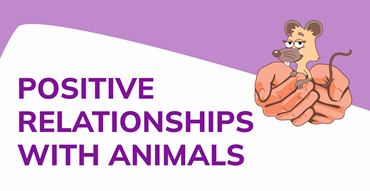
Positive interactions with animals support children to develop empathy, kindness, and respect for others. Guidance from trusted adults help children to recognise animals’ needs and emotions, and practise calm, caring behaviour that supports wellbeing for both animals and people.
Building positive relationships
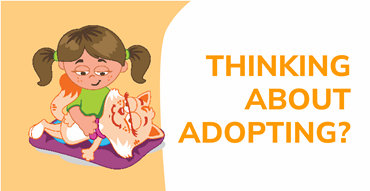
Bringing a companion animal into your home is a long-term commitment. This guide helps families think about time, cost, lifestyle, and the needs of different animals, so decisions are made with care, responsibility, and the wellbeing of both animals and whānau in mind.
Is it the right time to adopt?
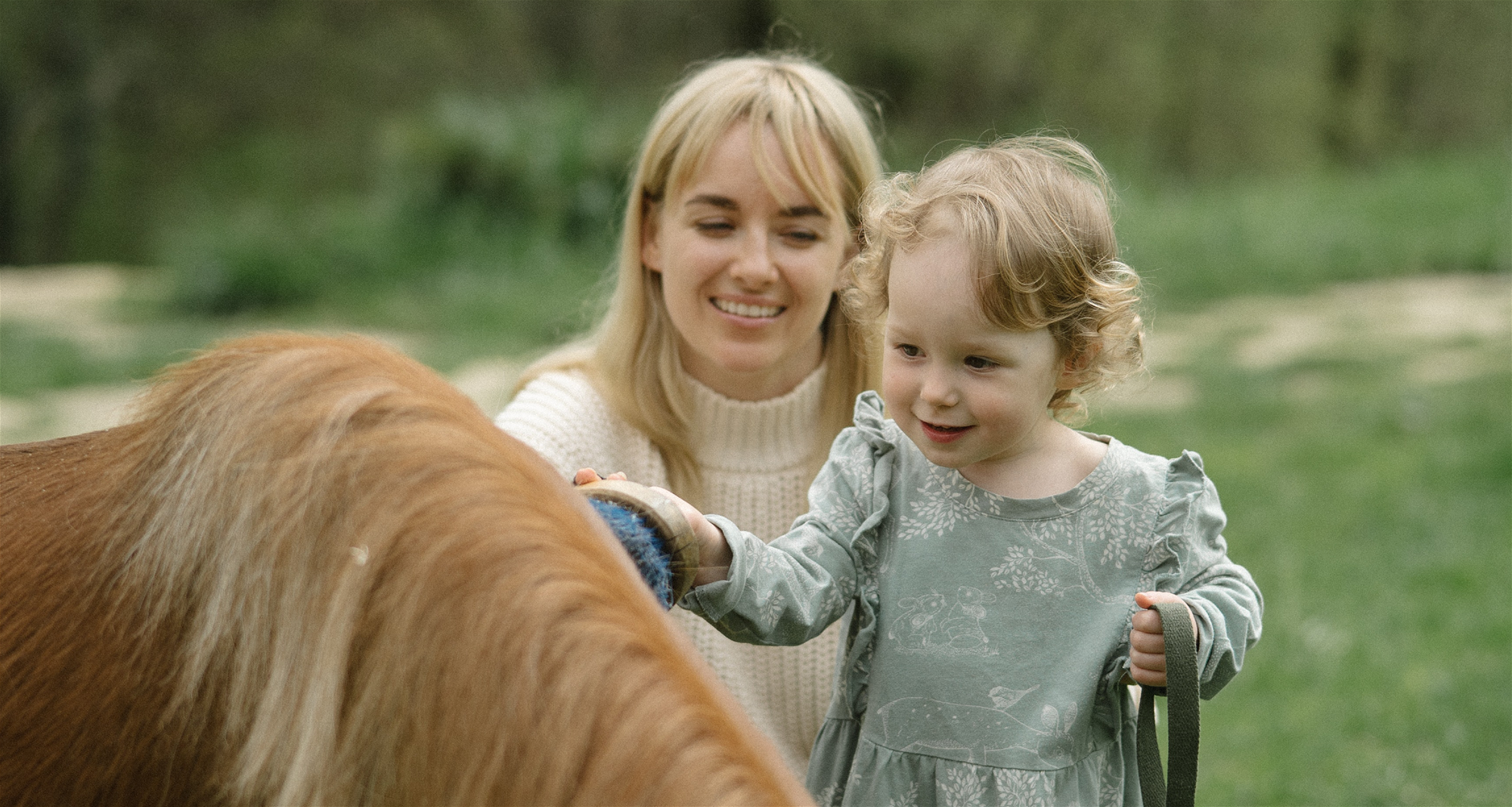
Children learn a great deal by watching, listening to, and copying the adults around them. When children are regularly exposed to responsible animal guardianship and empathetic treatment of living beings, these behaviours often become their “normal”.
The same is true when children are exposed to irresponsible or harmful interactions with animals. The way animals are treated within a family can strongly influence whether children learn to treat animals — and people — with dignity and respect.
Model caring behaviour towards animals and people.
Help children understand that animals are sentient beings with their own needs and feelings.
Show children that animals are not toys or objects to be used and ignored when interest fades.
For more information, explore our infographic:
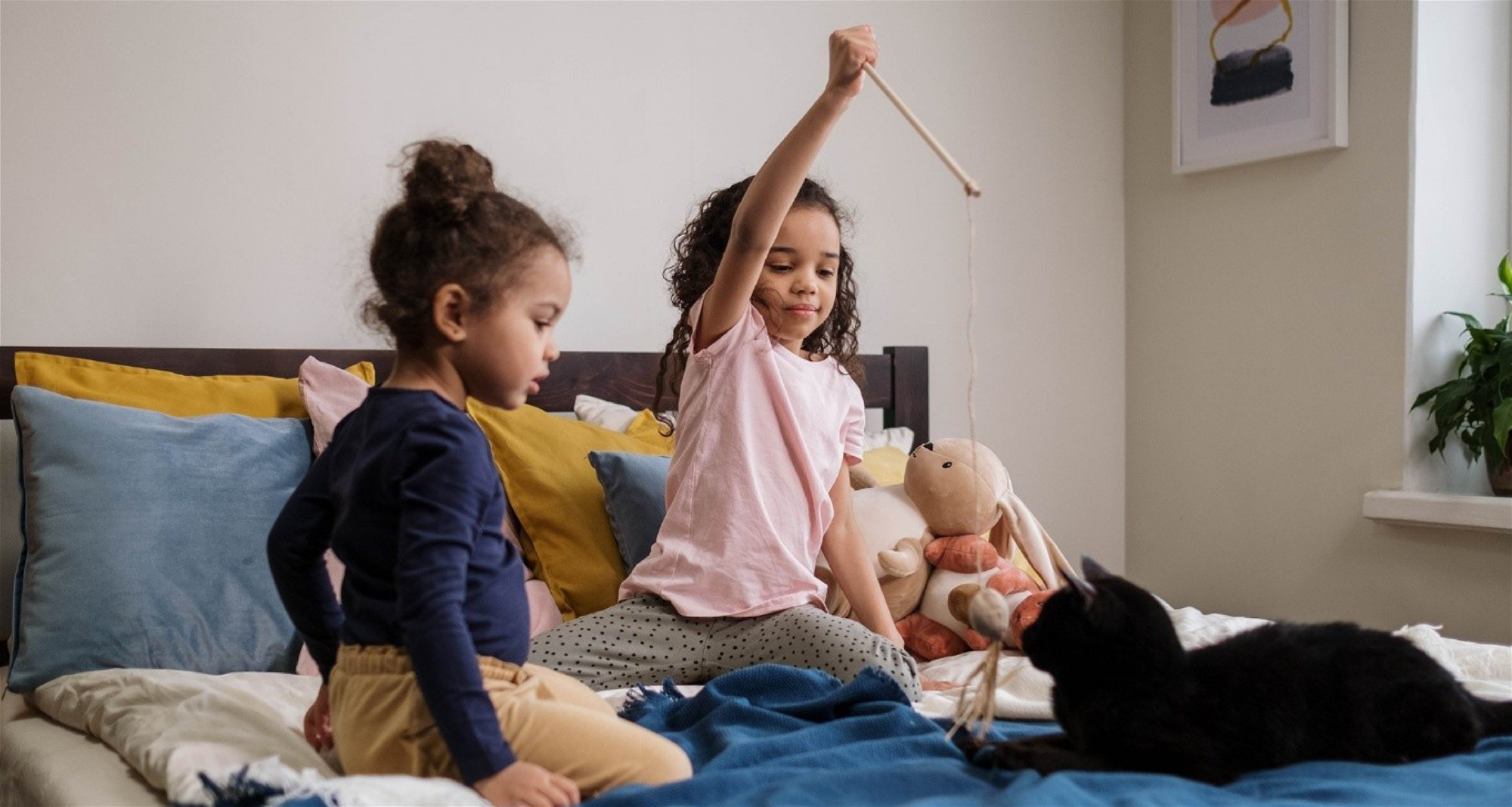
From a very young age, children are surrounded by animals through toys, books, clothing, media, and everyday experiences. As their interest grows, children often want to interact closely with animals by hugging, squeezing, or chasing them.
Although these behaviours are usually expressions of affection, they can unintentionally ignore animals’ needs and boundaries. Most animals do not enjoy being grabbed, pulled, or chased, even when children mean no harm. Research consistently shows that how people treat animals is closely related to how they treat others.
Discourage chasing, grabbing, pulling, or poking animals.
Talk with children about how animals show when they are uncomfortable.
Encourage calm, respectful interactions and pro‑social behaviours such as sharing, cooperation, and compromise.
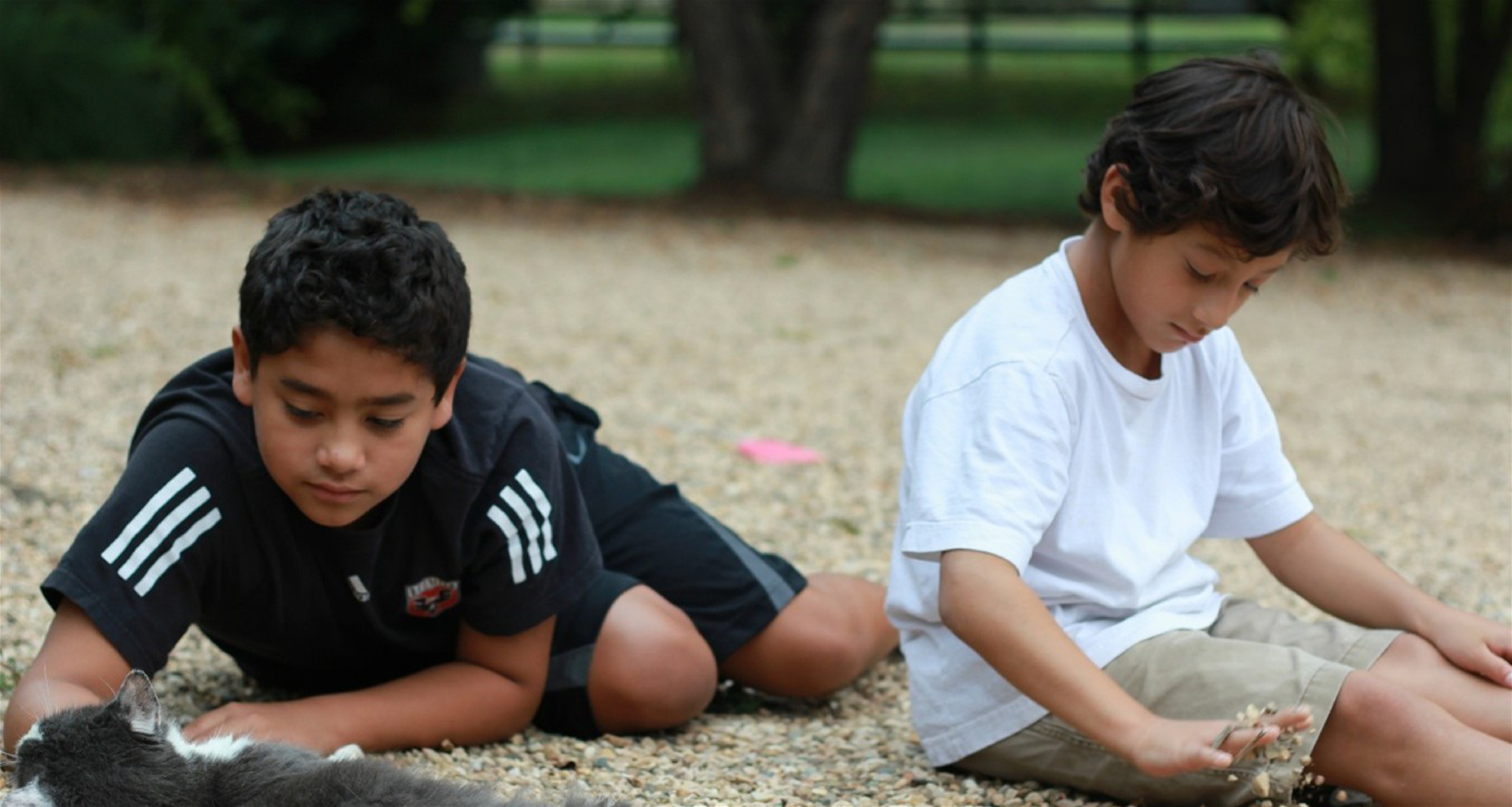
When positive, respectful interactions with animals are encouraged and modelled by adults, children begin to recognise animals’ emotions and learn how to care for them responsibly. Helping to care for family companion animals can also support children to extend kindness and care to people in their lives.
Research shows that emotional intelligence is a strong predictor of future wellbeing, relationships, and success. Children who learn empathy and compassion are more likely to grow into thoughtful friends, valued community members, and responsible citizens.
Actively supervise children around animals to keep both safe.
Calmly and consistently stop inappropriate behaviour and redirect towards positive interactions.
Encourage mutually enjoyable activities, such as throwing a ball for a dog or sitting quietly so an animal can choose to approach.
For more information, explore our infographic:


 Supporting Resources
 Research Readings
 Home Learning
 Information for Families
 Early Learning
 Visit Website
 Success Stories
 Advice and Welfare
 Latest News